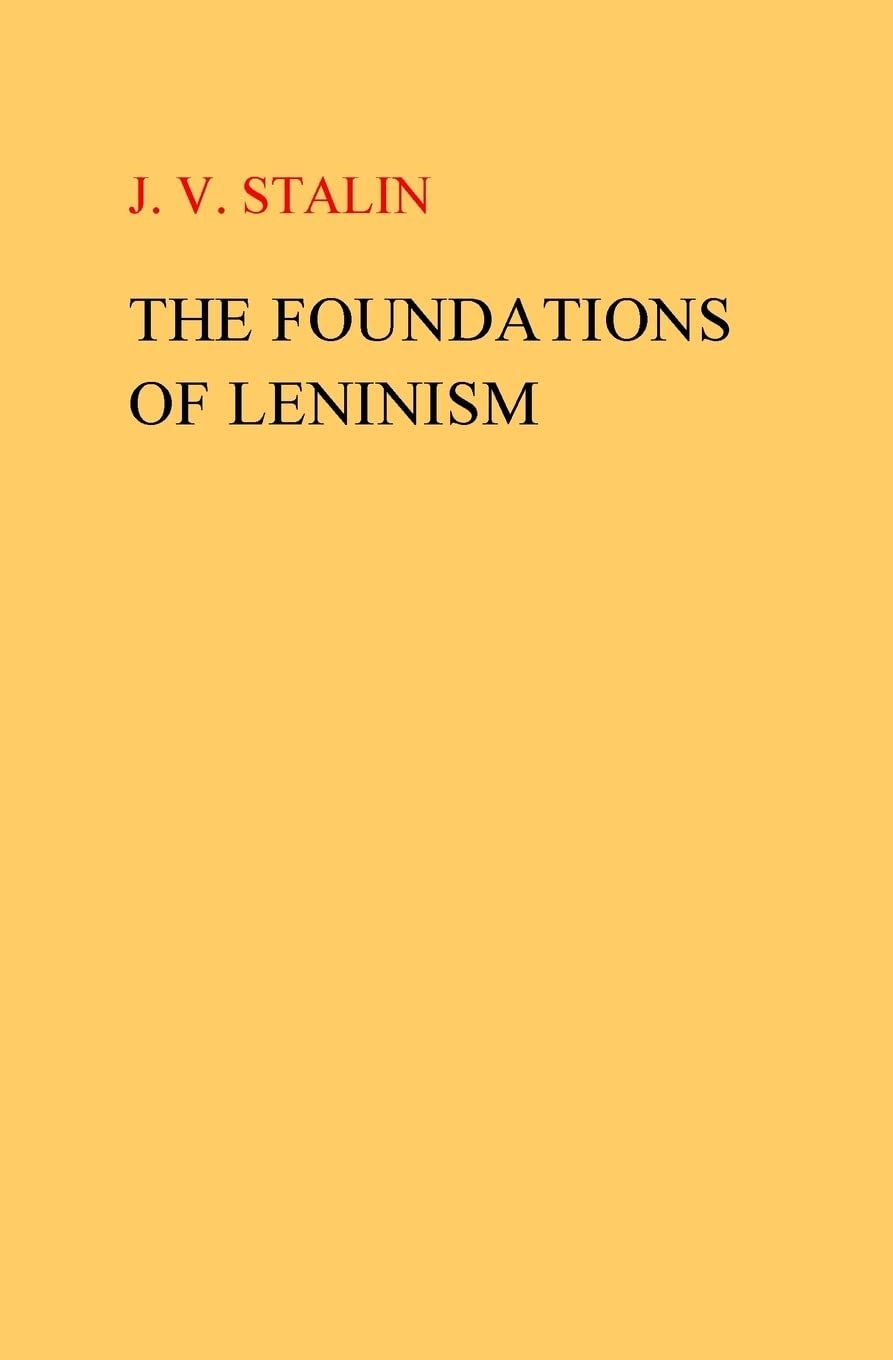
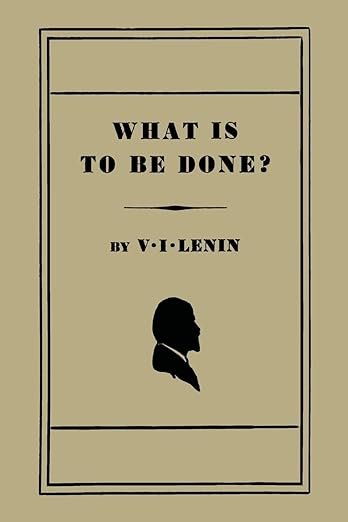
This five-volume collection brings together the core theoretical texts that defined, shaped, and fractured the communist movement from its origins through the early Soviet period.
At its foundation is The Communist Manifesto by Karl Marx and Friedrich Engels, the short but world-altering work that introduced historical materialism, class struggle, and the revolutionary critique of capitalism that would influence politics across the globe.
Building on this foundation are the revolutionary writings of Vladimir Lenin, including State and Revolutionand Imperialism: The Highest Stage of Capitalism. These works outline Lenin’s theory of the state, the necessity of revolutionary violence, and his argument that global capitalism had entered an imperial phase that made world revolution inevitable.
Completing the collection are two major works by Leon Trotsky. Fascism: What It Is and How to Fight It analyzes the rise of fascist movements from a Marxist perspective, while The Revolution Betrayed and Other Worksoffers Trotsky’s critique of Stalinism and the degeneration of the Soviet experiment from within the revolutionary tradition itself.
Together, these texts do not present a single, unified doctrine. Instead, they expose the internal tensions, disagreements, and evolutions within communist thought — from revolutionary optimism to ideological fracture.
This five-volume collection brings together the core theoretical texts that defined, shaped, and fractured the communist movement from its origins through the early Soviet period.
At its foundation is The Communist Manifesto by Karl Marx and Friedrich Engels, the short but world-altering work that introduced historical materialism, class struggle, and the revolutionary critique of capitalism that would influence politics across the globe.
Building on this foundation are the revolutionary writings of Vladimir Lenin, including State and Revolutionand Imperialism: The Highest Stage of Capitalism. These works outline Lenin’s theory of the state, the necessity of revolutionary violence, and his argument that global capitalism had entered an imperial phase that made world revolution inevitable.
Completing the collection are two major works by Leon Trotsky. Fascism: What It Is and How to Fight It analyzes the rise of fascist movements from a Marxist perspective, while The Revolution Betrayed and Other Worksoffers Trotsky’s critique of Stalinism and the degeneration of the Soviet experiment from within the revolutionary tradition itself.
Together, these texts do not present a single, unified doctrine. Instead, they expose the internal tensions, disagreements, and evolutions within communist thought — from revolutionary optimism to ideological fracture.
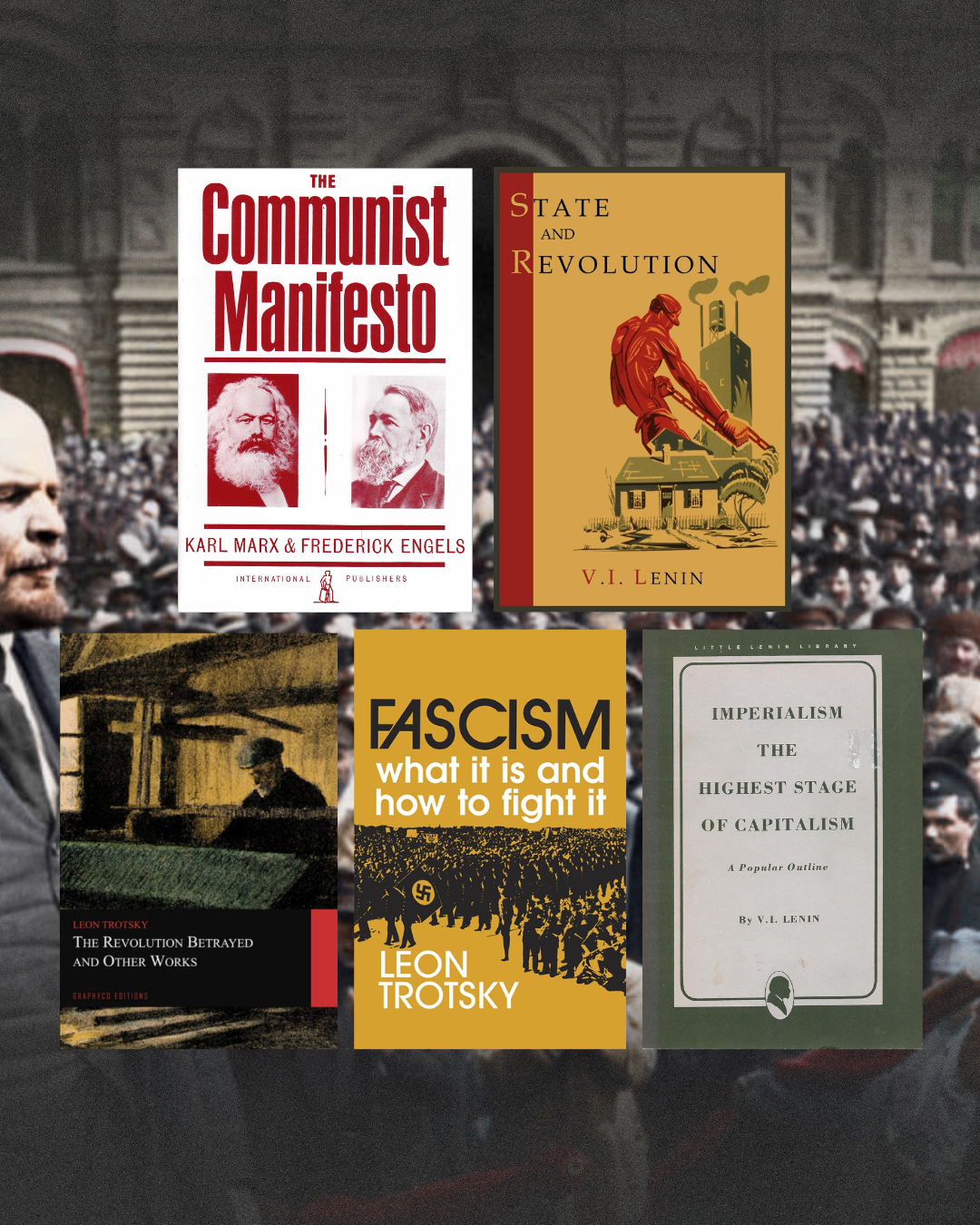 Image 1 of 1